
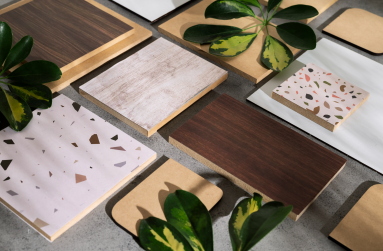
Once solid hardwood is off the table on cost, most buyers land in the same three-way debate: vinyl, laminate, or engineered wood. All three promise a wood-like (or better) look at a fraction of hardwood's price — but they behave very differently once installed, especially around moisture, durability, and long-term maintenance.
Here's how the three compare, and which one actually fits your room, budget, and climate.
Quick Answer: Vinyl vs. Laminate vs. Engineered Wood Flooring
If moisture is a concern — kitchens, bathrooms, humid climates — vinyl is the clear winner. If you want the closest look and feel to real wood in a dry room, engineered wood is worth the extra cost. Laminate sits in between: tougher underfoot than many expect, but still not a fit for wet areas.
What Is Vinyl Flooring?
Vinyl flooring is a synthetic flooring material, available as sheet vinyl or as LVT/LVP (Luxury Vinyl Tile/Plank) — rigid vinyl planks designed to mimic wood or stone with a printed and textured top layer.
Pros:
-
Highly water-resistant, and many LVT/LVP products are fully waterproof
-
Durable and scratch-resistant, holding up well in high-traffic areas
-
Comfortable underfoot, often warmer and softer than laminate or engineered wood
-
Wide range of realistic wood and stone finishes
-
Relatively easy click-lock or glue-down installation
Cons:
-
Lower-quality vinyl can look and feel less authentic than laminate or engineered wood
-
Can be susceptible to scratches or dents from very sharp or heavy objects, depending on wear-layer thickness
-
Not biodegradable, which may matter for eco-conscious buyers
-
Premium LVT/LVP can approach laminate or entry-level engineered wood in cost
Vinyl has become the go-to for moisture-prone rooms precisely because it doesn't share the swelling or warping risk that laminate and engineered wood carry.
What Is Laminate Flooring?
Laminate flooring consists of a high-density fiberboard (HDF) core topped with a printed image layer (often mimicking wood grain) and a protective wear layer, all fused together under high pressure.
Pros:
-
Strong scratch and impact resistance — good for households with kids or pets
-
More affordable than most engineered wood options
-
Easy floating-floor installation (click-lock, no glue or nails needed)
-
Consistent, uniform appearance across planks
Cons:
-
Not water-resistant — the HDF core swells and warps if exposed to standing water or high humidity
-
Printed top layer, so it doesn't have the same depth or authenticity as real wood veneer
-
Can feel harder and "hollower" underfoot compared to vinyl or engineered wood
-
Not repairable in the same way solid or engineered wood can be refinished — damaged planks usually need replacing
Laminate is a strong choice where durability and budget matter more than moisture exposure or a fully authentic wood feel.
What Is Engineered Wood Flooring?
Engineered wood flooring is built from a plywood or HDF core topped with a layer of real wood veneer, giving it genuine wood grain, texture, and the ability to be lightly sanded and refinished (depending on veneer thickness).
Pros:
-
Authentic wood look and feel — real wood veneer, not a printed layer
-
More dimensionally stable than solid hardwood, handling humidity/temperature shifts better
-
Can be refinished (lightly, depending on veneer thickness), extending its usable life
-
Adds a premium look that can positively affect home resale value
Cons:
-
More expensive than vinyl and most laminate options
-
Still vulnerable to moisture damage — not suitable for bathrooms or consistently damp areas
-
Real wood veneer can still show scratches and dents more visibly than vinyl or laminate
-
Installation (glue-down or floating, depending on product) can require more care than laminate's simple click-lock systems
Engineered wood is the choice when buyers want the genuine look and resale appeal of wood without solid hardwood's price tag and rigidity.
Side-by-Side: Key Factors Compared
Water/moisture resistance Vinyl is the clear leader — many LVT/LVP products are fully waterproof, making them viable in kitchens and bathrooms. Laminate and engineered wood both have wood-based cores that swell and warp with prolonged moisture exposure, so neither is recommended for wet areas.
Durability & scratch resistance Laminate often edges out both vinyl and engineered wood on raw scratch resistance thanks to its hard-wearing top layer, making it a strong pick for busy households. Vinyl holds up well to daily wear and moisture combined. Engineered wood's real veneer can show scratches more visibly, though light refinishing can address this over time.
Installation method All three commonly use some form of click-lock floating floor installation, though vinyl (sheet form) and some engineered wood products may require glue-down installation instead. Laminate's floating floor system is generally the simplest for DIY installation.
Cost per sq. ft. Vinyl and laminate are typically the most budget-friendly, with premium LVT/LVP and higher-end laminate closing some of the gap. Engineered wood generally costs more due to the real wood veneer layer.
Maintenance Vinyl requires the least maintenance and handles spills well. Laminate needs prompt cleanup of any moisture to prevent core damage. Engineered wood needs similar moisture caution, plus more careful cleaning to protect the wood veneer's finish.
Look/aesthetic authenticity Engineered wood wins here — real wood veneer simply looks and feels different from a printed layer. High-end vinyl and laminate have closed the visual gap significantly, but close inspection still reveals the difference.
Comfort underfoot / warmth Vinyl tends to feel warmest and softest underfoot. Engineered wood offers a natural, solid feel. Laminate can feel harder and cooler by comparison, particularly over concrete subfloors without underlayment.
Lifespan All three can last 15-25+ years depending on quality and wear conditions, though engineered wood's ability to be refinished can extend its usable life beyond vinyl or laminate, which typically must be replaced once worn out.
Suitability by room Vinyl suits kitchens, bathrooms, and high-traffic or humid areas best. Laminate and engineered wood are both better suited to living rooms, bedrooms, and other dry, lower-moisture spaces.
Which Flooring for Which Room or Situation?
Best for kitchens & bathrooms (moisture-prone) Vinyl (particularly waterproof LVT/LVP) is the clear choice — laminate and engineered wood are both vulnerable to swelling and warping in consistently damp conditions.
Best for living rooms & bedrooms (comfort/aesthetics priority) Engineered wood delivers the most authentic look and feel for spaces where moisture isn't a daily concern. Laminate is a strong, more budget-friendly alternative in the same rooms.
Best for rental or budget-conscious projects Laminate or standard vinyl both offer durability and low cost, making them practical for rental properties where long-term refinishing isn't a priority.
Best for homes with pets or kids Laminate's scratch resistance and vinyl's overall durability both hold up well to daily wear and occasional accidents — engineered wood's real veneer requires more careful maintenance in high-activity households.
Cost Comparison
-
Vinyl and laminate are generally the most affordable per square foot, with pricing rising for premium, thicker-wear-layer products
-
Engineered wood typically costs more due to the real wood veneer, with pricing varying by veneer thickness and wood species
Get a current quote based on your room size and finish preferences — flooring pricing shifts with material sourcing and finish quality.
Frequently Asked Questions
Is vinyl flooring better than laminate?
It depends on the room. Vinyl is generally better for moisture-prone areas like kitchens and bathrooms since many types are fully waterproof, while laminate offers stronger scratch resistance and is well-suited to dry living spaces and bedrooms.
Can engineered wood flooring get wet?
Engineered wood is more moisture-stable than solid hardwood but still isn't recommended for consistently wet areas like bathrooms. Occasional spills, if cleaned up promptly, are generally fine, but standing water can damage the core over time.
Which flooring lasts longer, vinyl or laminate?
Both can last 15-25 years depending on quality and usage, though vinyl tends to hold up better in moisture-exposed areas while laminate performs well in dry, high-traffic rooms. Neither can be refinished the way engineered wood can.
Is laminate flooring waterproof?
Most laminate flooring is not waterproof — its HDF core can swell and warp if exposed to standing water or high humidity for extended periods. Some water-resistant laminate products exist but should not be treated as fully waterproof.
What is the cheapest flooring option?
Standard vinyl and entry-level laminate are typically the most affordable flooring options, with engineered wood generally costing more due to its real wood veneer layer.
Which flooring is best for humid climates?
Vinyl is generally the best fit for humid climates due to its high moisture resistance. Laminate and engineered wood can still be used in humid regions but require good ventilation and moisture control to avoid warping over time.
Final Thoughts
There's no single best flooring for every room — the right choice comes down to how much moisture the space sees, how much wear it'll take, and how much of the budget you want to put toward an authentic wood look. Vinyl handles moisture and daily wear with the least fuss, laminate balances durability and cost well in dry rooms, and engineered wood delivers the closest real-wood experience for spaces where looks matter most.
Want to see samples or get current pricing on vinyl, engineered wood, or our other flooring options? Get in touch with our team for a personalized recommendation.