
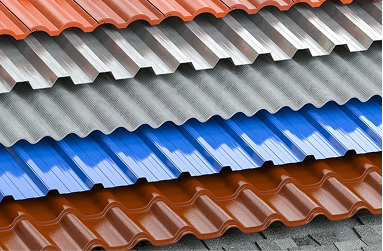
The three most common options — metal, polycarbonate, and fiber roofing sheets — each solve a different problem. This guide breaks down how they compare on durability, cost, heat resistance, and the situations each one is actually built for, so you can make the call with confidence.
Quick Comparison: Metal vs. Polycarbonate vs. Fiber Roofing Sheets
If you need strength and longevity for a main roof, metal usually wins. If you want natural light without the heat, polycarbonate is the better fit. If you're working with a tighter budget and don't need a fully sealed structure, fiber sheets get the job done affordably.
What Are Metal Roofing Sheets?
Metal roofing sheets — most commonly GI (Galvanised Iron) sheets — are steel sheets coated in zinc to resist rust, typically shaped into a corrugated profile for strength and water runoff. They're the default choice for Indian residential and industrial roofing because they combine durability with relatively straightforward installation.
Pros:
-
Very durable — a well-installed GI sheet roof can last 20-30 years
-
High load-bearing strength; withstands heavy rain and wind
-
Fire-resistant, unlike some plastic-based alternatives
-
Widely available in various gauges and coatings
Cons:
-
Conducts heat, making interiors warmer without added insulation
-
Can be noisy during heavy rain unless insulated
-
Susceptible to corrosion over time in coastal or high-humidity areas if the zinc coating is compromised
-
Heavier than polycarbonate or fiber alternatives
Corrugated metal sheets are the subtype you'll see most often — the wave-like profile adds rigidity and helps water drain off quickly, which matters a lot during monsoon season.
What Are Polycarbonate Roofing Sheets?
Polycarbonate sheets are a lightweight plastic roofing material, available in multiwall (hollow, insulated) and corrugated (solid, wave-profile) formats. They're prized for one thing metal and fiber can't offer: natural light transmission.
Pros:
-
Allows natural light through — ideal where you want brightness without direct sun exposure
-
Lightweight, easy to cut and install
-
With UV-stabilized coating, resists yellowing and heat buildup better than uncoated plastics
-
Good impact resistance — holds up well against hail and debris
Cons:
-
Shorter lifespan than metal (typically 10-15 years before UV coating degrades)
-
Higher cost than basic fiber sheets
-
Not ideal as a sole roofing material for large residential structures — better suited to specific zones (skylights, patios, greenhouses)
-
Quality varies significantly between cheap uncoated sheets and UV-protected ones — this is where buyers often get burned
Polycarbonate is less a "main roof" material and more a specialist one — it earns its place in carports, verandas, greenhouses, and skylight sections where light matters more than total enclosure.
What Are Fiber Roofing Sheets?
Fiber roofing sheets come in two common forms: fiber cement sheets and FRP (fiberglass reinforced plastic) sheets. Both are valued for being budget-friendly while still offering reasonable weather resistance.
Pros:
-
Most affordable of the three options
-
Decent insulation — better at moderating heat than uncoated metal
-
Corrosion-proof — no rust concerns, which matters in humid or coastal regions
-
Lightweight and relatively easy to install
Cons:
-
Less durable than metal — typically 15-20 years, and can become brittle with age
-
Lower load-bearing capacity — not ideal for areas with heavy snow or very high wind loads
-
Fiber cement sheets can be prone to cracking under impact
-
Aesthetic options are more limited compared to metal and polycarbonate
Fiber sheets are a practical choice for agricultural sheds, budget housing, and outbuildings where cost matters more than a 25-year lifespan.
Side-by-Side: Key Factors Compared
Thermal insulation & heat resistance Fiber sheets moderate heat best among the three without added treatment. Polycarbonate with UV coating handles heat well while still admitting light. Uncoated metal gets hottest and usually needs an insulation layer underneath for comfortable interiors.
UV resistance & light transmission Polycarbonate is the only one designed to let light through, making it the clear choice when natural lighting is a priority. Metal and fiber sheets are opaque and offer no light transmission.
Corrosion resistance Fiber and polycarbonate sheets don't rust, giving them an edge in humid or coastal environments. Metal sheets rely on their zinc coating holding up — once scratched or worn, corrosion can set in, especially in salty coastal air.
Weight & load-bearing Metal sheets carry the most weight but also offer the highest load-bearing strength, which matters for structures needing to withstand heavy rain, wind, or occasional foot traffic during maintenance. Polycarbonate and fiber are lighter, which reduces structural load requirements but also limits their use for heavy-duty applications.
Fire resistance Metal is the most fire-resistant of the three. Polycarbonate and fiber sheets, being plastic or cement-composite based, vary by product — always check fire ratings if this is a priority for your structure.
Noise levels Metal sheets are the loudest during heavy rain unless insulated. Fiber and polycarbonate tend to dampen rain noise somewhat better, though neither is silent.
Lifespan Metal edges out the other two on raw longevity (20-30 years vs. 15-20 for fiber and 10-15 for polycarbonate), assuming proper installation and maintenance.
Maintenance Metal needs periodic checks for rust, especially at joints and screw points. Polycarbonate needs occasional cleaning to maintain light transmission and checks for UV coating wear. Fiber sheets need inspection for cracking, particularly after storms.
Which One Should You Choose?
-
Building a home's main roof? Metal (GI/corrugated sheets) is the standard choice for durability and load-bearing strength.
-
Setting up a warehouse or industrial shed? Metal again, for its strength and fire resistance — though insulation underneath is worth the investment.
-
Want a skylight, veranda, or carport? Polycarbonate is purpose-built for exactly this — natural light without full sun exposure.
-
Building a greenhouse or garden structure? Polycarbonate's light transmission is the whole point here.
-
Working with a tight budget for an outbuilding or agricultural shed? Fiber sheets deliver reasonable performance at the lowest cost.
-
Building in a coastal or high-humidity area? Lean toward fiber or polycarbonate to avoid corrosion concerns, or invest in high-quality coated metal sheets if you need the strength.
Many buildings actually mix materials — metal for the main roof, polycarbonate for a skylight section — rather than choosing one exclusively.
Cost Comparison
Roofing sheet pricing varies by gauge, brand, and coating quality, but as a general guide:
-
Fiber sheets tend to be the most budget-friendly option per square foot
-
Metal (GI) sheets sit in the moderate range, with cost rising alongside gauge thickness and coating quality
-
Polycarbonate sheets range from moderate to high, with UV-coated multiwall sheets costing more than basic corrugated versions
Get an updated quote based on your project size and location — pricing shifts with steel and raw material costs, so it's worth checking current rates before finalizing your budget.
Frequently Asked Questions
Which roofing sheet is best for hot climates?
Polycarbonate with UV coating and fiber cement sheets both handle heat better than uncoated metal. If you're set on metal for durability, pair it with an insulation layer to manage interior temperatures.
Is polycarbonate roofing better than metal?
Not universally — it depends on the goal. Polycarbonate is better where natural light matters (skylights, greenhouses), but metal outperforms it on durability, load-bearing strength, and fire resistance for a main roof.
Do fiber roofing sheets leak in monsoon?
Properly installed fiber sheets with correct overlap and sealing hold up well in monsoon conditions. Leaks are more often a result of poor installation or aging/cracked sheets than an inherent flaw in the material.
How long do metal roofing sheets last?
A well-installed and maintained GI metal roofing sheet typically lasts 20-30 years, though this depends on coating quality, gauge thickness, and environmental exposure (coastal air accelerates wear).
Which roofing sheet is cheapest in India?
Fiber roofing sheets are generally the most affordable option upfront, followed by metal, with polycarbonate — particularly UV-coated multiwall sheets — typically the most expensive per square foot.
Final Thoughts
There's no single "best" roofing sheet — only the best one for your specific structure, budget, and climate. If you're still weighing your options or want to see samples of GI sheets, PVC sheets, or corrugated sheets in person, get in touch with our team for a personalized recommendation and current pricing.